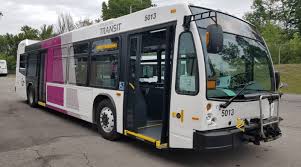
Accelerated transit is changing the way people think about transportation. More than ever, cities need solutions that are fast, efficient, and environmentally friendly. With growing populations and traffic congestion, traditional transport systems often fail to meet modern demands. Therefore, acceleated transit has emerged as a revolutionary solution, designed to make commuting quicker and more convenient.
In this article, we will explore what accelerated tansit is, the technologies behind it, and how it can impact our daily lives. Additionally, we will look at the benefits, challenges, and future possibilities of this innovative mode of transportation.
What Is Accelerated Transit?
Accelerated tansit refers to high-speed transportation systems that move passengers or goods faster than traditional vehicles. Essentially, it combines advanced technologies with efficient infrastructure to reduce travel time significantly. Unlike conventional buses or trains, accelerated ransit systems are designed for continuous, rapid movement, often powered by electric or magnetic systems.
Moreover, these systems are not limited to trains or buses. They can include automated vehicles, hyperloop concepts, and even drone-based transport. Consequently, accelerated tansit has the potential to transform urban commuting, making it faster, safer, and more reliable.
Finally, acceleratedtransit is more than just a convenience. It represents a shift toward sustainable and smart transportation, helping cities reduce pollution and traffic while improving accessibility for residents.
Technologies Behind Accelerated Transit
To understand accelerated trasit, it is crucial to examine the technologies that make it possible. First, many systems use magnetic levitation, also known as maglev, which allows trains to float above tracks. This method drastically reduces friction, resulting in smoother and faster rides.
Furthermore, advanced automation plays a significant role. Sensors, artificial intelligence, and automated control systems can manage speed, routes, and safety with remarkable precision. As a result, human error is minimized, and efficiency is maximized.
In addition, energy-efficient power sources are often used. Many accelerated trasit systems rely on electricity, renewable energy, or hybrid solutions. Therefore, they produce less pollution than conventional vehicles, making them a greener alternative for modern cities.
Benefits of Accelerated Transit
Accelerated trnsit offers numerous benefits for individuals and communities alike. Firstly, it reduces travel time, allowing people to commute quickly without the stress of traffic jams. This efficiency can improve productivity and overall quality of life.
Additionally, accelerated trnsit helps the environment. Since most systems use electric power or renewable energy, emissions are lower than those of cars or buses. Consequently, cities can reduce their carbon footprint and fight climate change more effectively.
Finally, accelerated trasit improves accessibility. With more reliable and faster transport options, people can reach jobs, schools, and healthcare facilities more easily. In this way, accelerated trnsit can contribute to social and economic development in urban areas.
Challenges in Implementing Accelerated Transit
Despite its benefits, accelerated transit faces several challenges. One major issue is cost. Building high-speed systems, including maglev tracks or automated networks, requires significant investment. Therefore, governments and private companies must carefully plan and allocate resources.
Moreover, technical hurdles exist. Advanced technology, while promising, needs constant maintenance and upgrades. Otherwise, system failures or delays can occur. Consequently, ongoing research and skilled labor are essential for the success of accelerated transit.
Additionally, public acceptance is necessary. People must trust these new systems, and cities must provide clear safety regulations. For instance, educating the public about benefits and precautions can encourage adoption and usage.
The Future of Accelerated Transit
Looking ahead, accelerated transit is likely to become a key part of urban life. Many cities are already investing in high-speed rail networks, autonomous buses, and even hyperloop projects. These innovations will reshape commuting, making it faster, cleaner, and more convenient than ever before.
Furthermore, as technology improves, costs may decrease, making accelerated transit accessible to more communities. Therefore, ordinary citizens will enjoy benefits previously reserved for wealthier areas or countries.
Finally, the integration of accelerated transit with smart city infrastructure can create fully connected urban systems. Traffic will be managed more efficiently, pollution will decrease, and people will spend less time commuting. In this way, accelerated transit is not just transportation—it is a vision for the future of urban living.
Conclusion
In conclusion, accelerated transit is transforming transportation by providing faster, safer, and greener travel options. Through advanced technology, energy efficiency, and smart infrastructure, it addresses the problems of traffic congestion, pollution, and long commute times.
Although challenges like cost, technical demands, and public acceptance remain, the potential benefits are enormous. Cities worldwide are beginning to embrace this innovation, signaling a new era in urban mobility.
Ultimately, accelerated transit is not only about moving faster—it is about creating a smarter, more sustainable, and more connected world. As cities continue to grow, accelerated transit may become the backbone of modern transportation, helping people travel efficiently while caring for the planet.