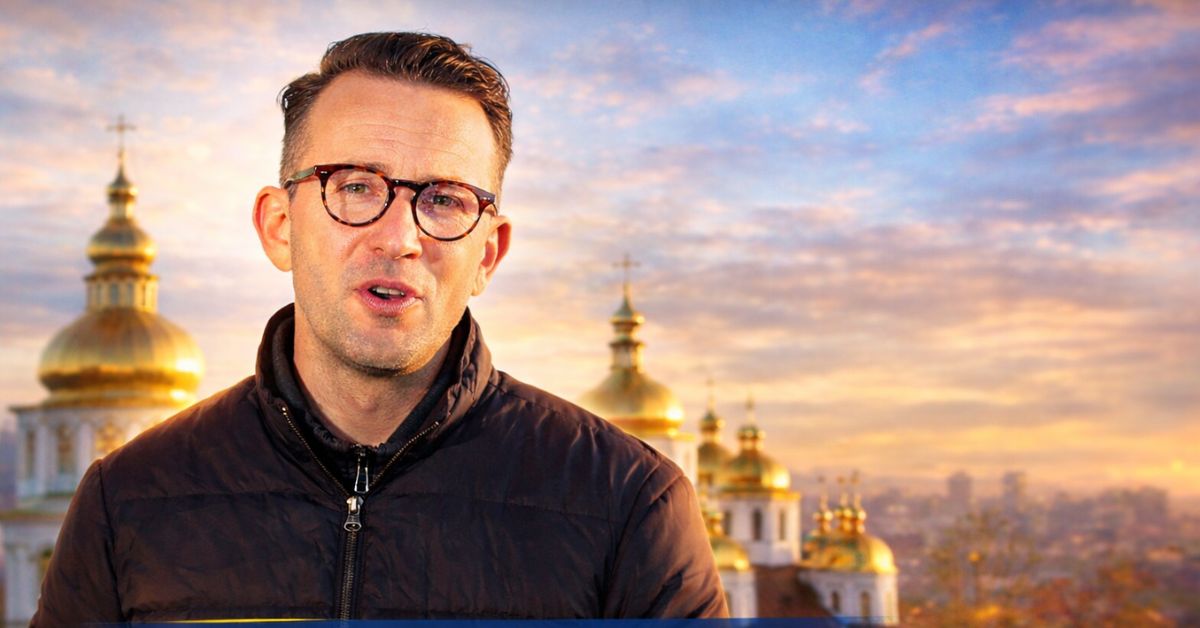
Hugo Bachega accent is something many viewers notice the first time they hear him speak. When people watch international news, they often expect reporters to sound British or American. However, his voice sounds different, and therefore it catches attention quickly. Because of this, many viewers become curious about where his accent comes from.
Hugo Bachega is known as an international journalist who reports on major global events. Since he works in different countries, his speech reflects a mix of cultures. As a result, his accent does not sound tied to only one place. Instead, it shows the influence of his background and career path.
In this article, we will explore the Hugo Bachega accent in detail. First, we will look at his background. Next, we will examine why his voice sounds unique. Finally, we will discuss why audiences find his accent interesting and trustworthy.
Hugo Bachega Accent and His International Background
First of all, understanding his background helps explain the Hugo Bachega accent. He was born in Brazil, and naturally, Portuguese was his first language. Because of this, some soft pronunciation patterns stayed with him even after he became fluent in English.
Later, he studied and worked internationally. As a result, he learned English in professional environments rather than only in school. Therefore, his speech became clear and neutral, yet it kept subtle hints of his Brazilian roots. This combination is common among journalists who work globally.
Moreover, his job requires him to communicate with audiences worldwide. Consequently, he speaks in a way that is easy to understand for many listeners. Instead of sounding strongly regional, his accent blends international English with mild South American tones.
How Education and Travel Shaped Hugo Bachega Accent
Education plays a major role in shaping any accent. In his case, learning English academically helped him develop clear pronunciation. Because journalists must be understood easily, he likely practiced neutral speech patterns during training.
Additionally, travel influences speech strongly. When someone lives in multiple countries, their accent naturally adapts. For example, spending time in English-speaking regions often softens original pronunciation. Therefore, the Hugo Bachega accent reflects years of global experience.
Furthermore, professional environments shape speech habits. Newsrooms value clarity and confidence. As a result, journalists often adjust their tone, speed, and pronunciation. Over time, this creates an international style of speaking rather than a strictly local one.
Why Hugo Bachega Accent Sounds Neutral Yet Distinct
Many viewers describe his voice as neutral, yet different. This happens because his pronunciation follows standard English rules. However, slight vowel sounds and rhythm patterns reveal his non-native origins. Consequently, his speech sounds both professional and unique.
Also, international reporters often aim for clarity rather than imitation. Instead of copying a British or American accent completely, they focus on being understandable. Because of this, their natural voice remains present. The Hugo Bachega accent fits this pattern perfectly.
In addition, the human ear quickly notices unfamiliar speech tones. Therefore, even a small difference can stand out on television. His accent is not strong, yet it is memorable, which explains why viewers search for information about it online.
Hugo Bachega Accent in Broadcast Journalism
Broadcast journalism requires a specific speaking style. First, reporters must speak clearly under pressure. Second, they must sound calm during serious events. Because of this, journalists train their voices carefully.
The Hugo Bachega accent works well for television because it sounds steady and neutral. Unlike strong regional accents, his speech is easy for global audiences to understand. Therefore, it supports his credibility as a foreign correspondent.
Moreover, news audiences often associate clarity with trust. When a journalist speaks calmly and confidently, viewers listen more closely. Consequently, his voice helps deliver complex international stories effectively.
The Role of Accent in Building Viewer Trust
Accents can influence how people perceive speakers. For example, a calm and clear accent often sounds more reliable. Because his speech is steady and measured, audiences may see him as professional and knowledgeable.
Also, neutral accents are useful in international media. They reduce confusion for non-native listeners. Therefore, reporters with globally understandable speech can reach larger audiences. The Hugo Bachega accent supports this goal.
In addition, trust comes from consistency. When viewers hear the same calm tone repeatedly, they begin to associate it with accurate reporting. Over time, his voice becomes familiar, and familiarity builds credibility.
How Global Reporters Develop Their Speech Style
Most international reporters refine their speech over years. First, they learn to speak slowly and clearly. Next, they practice avoiding slang or regional expressions. As a result, their speech becomes easier for worldwide audiences to follow.
Furthermore, journalists often adjust their tone depending on the story. Serious news requires calm delivery, while human-interest stories allow warmth. Because of this flexibility, their speech style evolves constantly.
Eventually, this process creates a balanced accent. It is not fully local, yet it is not artificial either. The Hugo Bachega accent shows this natural professional evolution.
Why People Search for Hugo Bachega Accent Online
People often search for accents because they notice something different. When viewers hear a unique voice on television, curiosity grows. Therefore, searches about the Hugo Bachega accent have increased.
Also, audiences enjoy learning about journalists they see regularly. Understanding a reporter’s background makes news feel more personal. As a result, viewers feel more connected to the stories being told.
Moreover, language and identity are closely linked. When someone speaks with a distinctive tone, it tells a story about their life journey. Consequently, his accent reflects not only geography but also experience.
Accent as Part of Personal Identity
Every accent represents a person’s history. It shows where they grew up, what languages they learned, and where they lived. Because of this, accents are deeply personal.
In his case, the Hugo Bachega accent reflects Brazilian roots combined with international work. This mix creates a voice that feels both global and authentic. Therefore, it strengthens his professional identity.
Additionally, audiences often respect journalists who sound natural. Instead of forcing a different accent, keeping a subtle original tone can feel honest. This honesty helps viewers relate to him.
Media Influence on Accent Perception
hugo bachega accent Television strongly shapes how people think accents should sound. For years, viewers heard mostly British or American reporters. Therefore, any different accent can feel unusual at first.
However, modern media is becoming more global. As news organizations hire international reporters, audiences hear more diverse voices. Consequently, accents like Hugo Bachega’s are becoming more common.
This shift is positive because it reflects the real world. News is global, so journalists should sound global too. His accent represents this modern international media landscape.
Conclusion
In conclusion, the Hugo Bachega accent is shaped by culture, education, and international work. Because he grew up in Brazil, his speech carries subtle Portuguese influence. However, years of global journalism refined his pronunciation into a clear, professional style.
Moreover, his accent demonstrates how language evolves through travel and career experience. Instead of fitting into one regional category, his voice reflects a truly global identity. Therefore, it makes him relatable to audiences across many countries.
Ultimately, his accent is not just about sound. It tells a story of international journalism, cultural exchange, and communication across borders. For this reason, it remains one of the most interesting aspects of his on-screen presence.